
BLOGAngesichts der aktuellen geopolitischen Entwicklungen stellen sich Fragen wie: Müssen wir zu militärischer Abschreckung zurückkehren? Kann Frieden nur durch Stärke gesichert werden?
Lesen Sie hier einige Meinungen unserer CONVOCO! Denker.

Die EU ist nicht Treiber der Veränderungen in Richtung einer postliberalen Weltordnung, sondern Betroffene und gleichzeitig Schauplatz. In der sich wandelnden Weltordnung steht sie nach außen vor der Notwendigkeit, sich neu zu orientieren und ihre bisherigen politischen, wirtschaftlichen und normativen Strategien anzupassen. Die EU muss zu einem (geo-) politischen Akteur werden und ihre militärischen und verteidigungspolitischen Kapazitäten ausbauen.
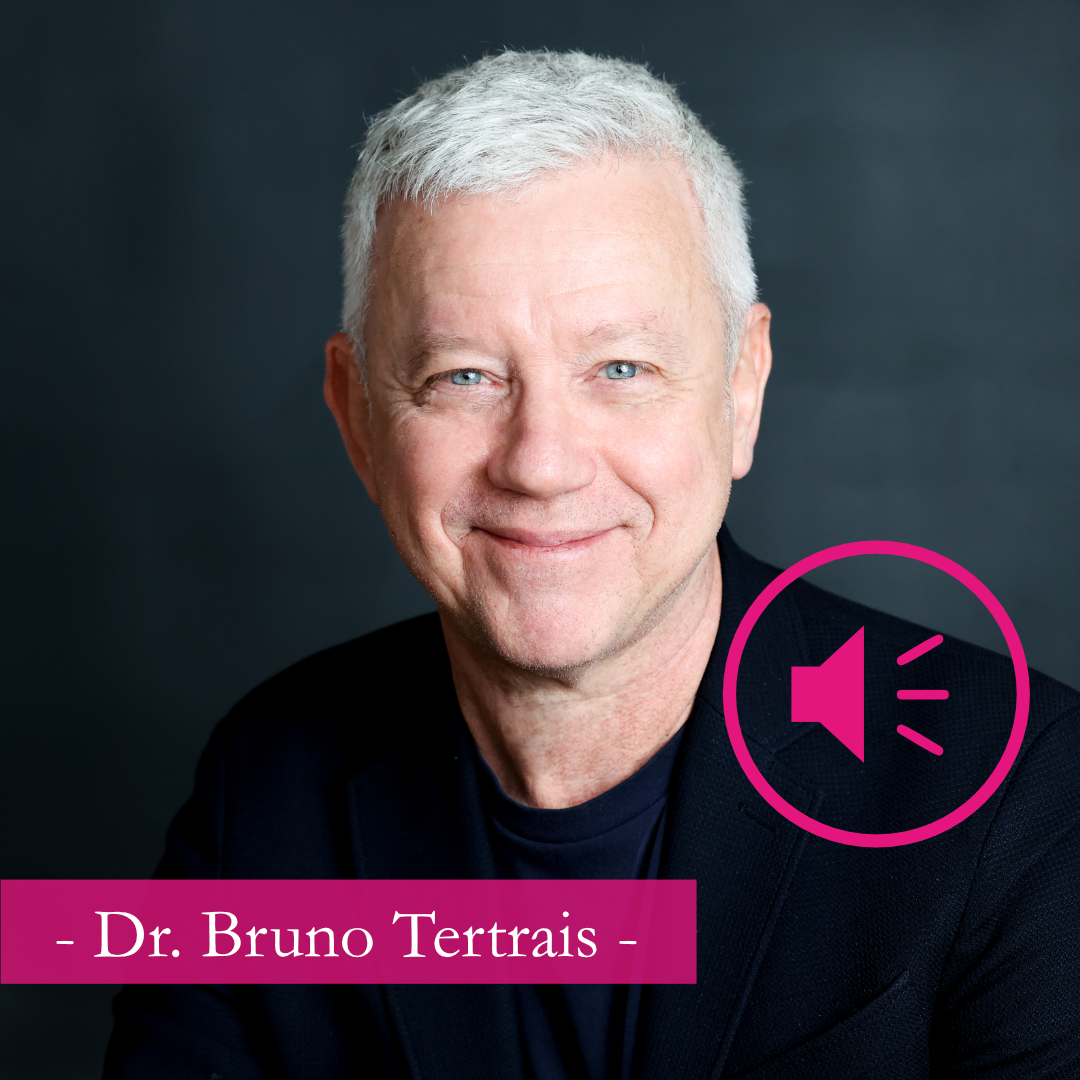
Nuclear deterrence is one particular form of deterrence that is convincing an actor, a person or a state, that it should give up or renounce a particular action because you managed to persuade that actor that he will not be able to achieve his objectives or that he would suffer from punishment which would exceed the benefits of the possible aggression. That’s deterrence. And nuclear deterrence is threatening an actor with the promise of nuclear retaliation. So it involves basically a mix of capabilities and intention. It’s fundamentally a psychological process.

Deterrence is much more complicated now because there are more nuclear-armed states engaged in an arms race. And this will be complicated by new kinds of weapons technologies: Cyber weapons, artificial intelligence, the possibility of weaponization of space, the ability to locate submarines deep in the ocean, and other kinds of technological advances. There is certainly what we call a qualitative arms race in that all nuclear-armed states are engaging in modernization of their nuclear programs, upgrading their arsenals with new types of delivery systems and updated warheads. And some states, such as China, Pakistan, and North Korea, are increasing the number of warheads as well. They’re engaging in a quantitative arms race. We are really looking at a pretty serious and very scary arms race over the next decade.

Enough doubt has now been created about the cohesiveness of NATO, especially the significance of Article 5, the joint defense part of the NATO charter, the NATO treaty, that it’s possible to see this from the outside and say to yourself, for instance, in Moscow, that it is not clear that this alliance is still alive. And if you listen to Russian television or read Russian newspapers, that is the impression that you get. The danger in this is, of course, that it is exactly the same kind of thinking that you got before 1914. It wasn’t alliances that led us into war in 1914. It was this belief that existed in a few places, especially in Potsdam, that the alliances might not have enough deterrent power anymore, that it wasn’t certain that they would work.
It’s important that we signal very clearly to Vladimir Putin that even if the US abstained, especially under Donald Trump, from defending Europe, we would not be militarily naked, we would be prepared to deal with that scenario. Again, this is also about deterrence. It’s about projecting to Moscow the perception that Europe would not be defenseless if the United States were to refrain from upholding its commitments.

Wir wollen verteidigen. […] Es geht darum, dass wir die NATO, insbesondere die NATO-Ostflanke, glaubhaft verteidigen, und zwar so glaubhaft verteidigen können, dass wir abschrecken können. […] Es fällt vielen schwer, diese alte Logik, dass man durch Abschreckung und Stärke aggressive Länder abschreckt, in die Gegenwart zu übersetzen. Mir als Ökonom ist das immer schleierhaft, warum viele Leute dieses Argument haben, wenn man aufrüstet, dann will man den Krieg, dann bereitet man den Krieg vor. Nein, wir rüsten auf, um den Krieg zu vermeiden. Der Krieg wird dann wahrscheinlicher, wenn wir uns schwächer machen, als wir sind, weil dann strategisch aggressive Diktaturen es umso einfacher haben, ihre Agenda durchzusetzen.
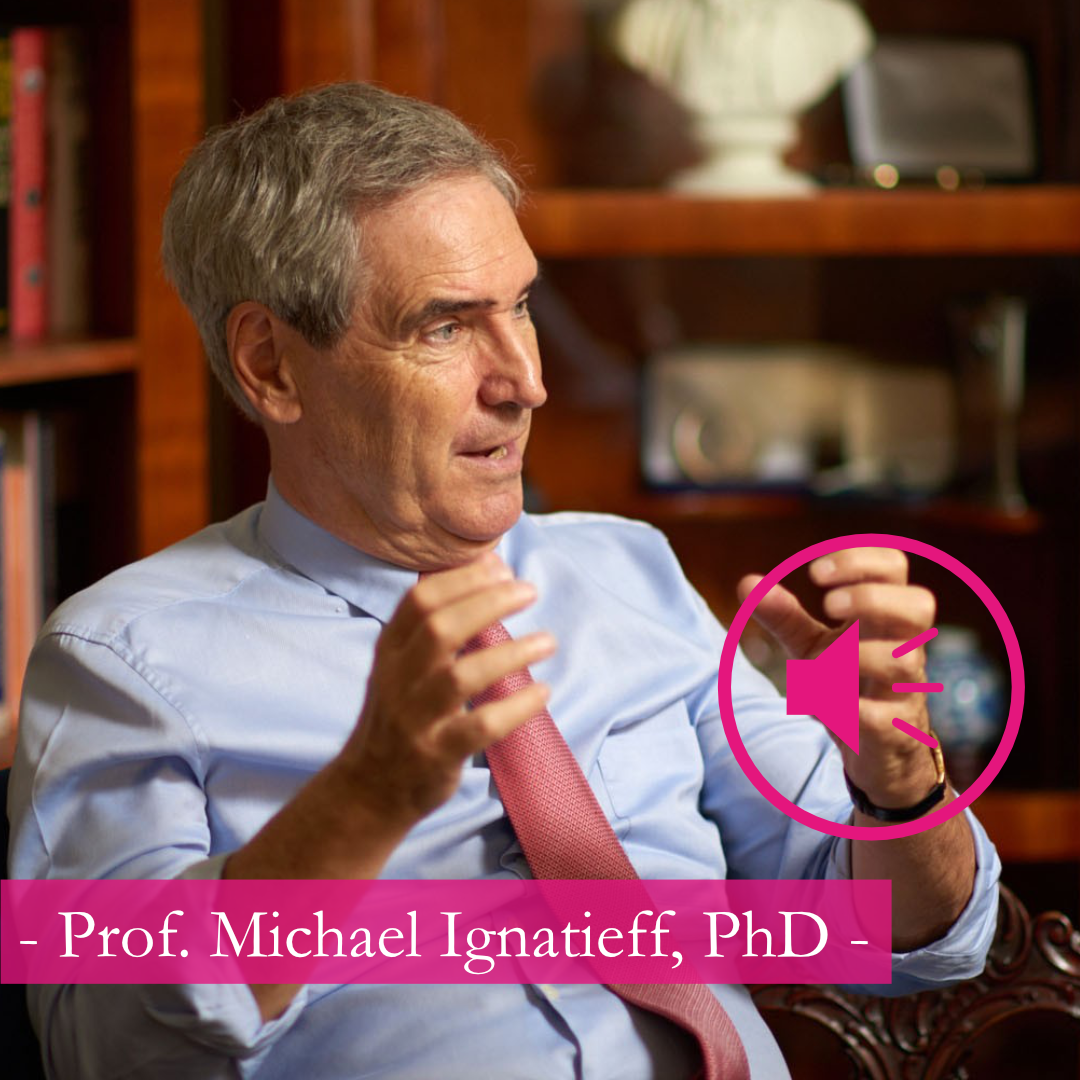
I understand [concerns about rearming], particularly in a country like Germany where the heritage has some excellent reasons to be doubtful that rearming is good for your democracy or good for your security. But in the absence of international law, I don’t know what the hell else you’re supposed to do.
